
 800-948-3232
The Adjustment Period After a Move No One Talks About
FREE Moving Quote
"*" indicates required fields
Most people think the hard part ends when the truck leaves. In reality, the adjustment period after a move often starts right after that moment. You sit on a couch surrounded by boxes, and the place feels quiet and strange. Even when you hire a reliable moving company in Los Angeles, the emotional shift still hits. Your routines disappear overnight. You no longer know where the light switches sit or which window brings morning sun. Simple habits feel off. Friends and family assume you feel excited, yet you feel tired and unsure instead. That gap causes frustration. However, this reaction makes sense. Your brain needs time to match the new space with comfort. Also, you handle dozens of decisions in a short time. Once you accept this stage as normal, stress drops. You stop asking why you feel off and start focusing on steady progress instead.
Why Feeling “Settled” Takes Longer Than Planned
Many movers expect comfort to arrive within days. That expectation causes problems. A new home changes how you move, think, and rest. Even small differences add up. For example, kitchen drawers sit in new spots. The shower sounds different. Street noise follows a new rhythm. Your brain stays alert longer because nothing runs on autopilot yet. Meanwhile, work, errands, and family duties continue as usual. That combination creates mental overload. Some people feel distracted at work. Others lose patience faster at home. These reactions do not mean something went wrong. They show that your mind still learns the space. Progress comes in small wins. You memorize light switches and find a coffee shop you like. You stop checking maps for every drive. Over time, those wins stack. Once they do, comfort starts to feel natural. Until then, patience matters more than speed.
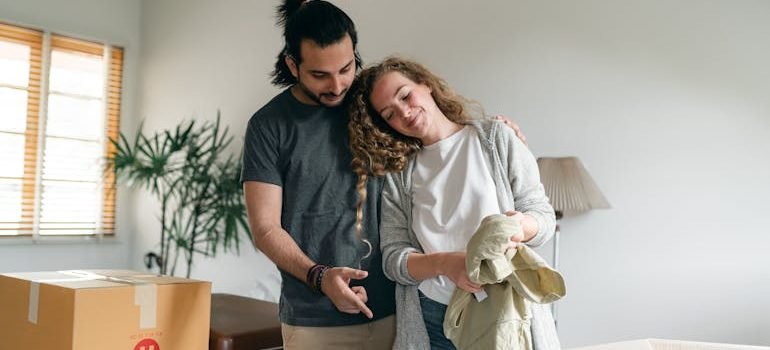
Long-Distance Moves Stretch The Adjustment Further
Distance changes everything. When you move far, the emotional weight grows heavier. You leave familiar streets, favorite stores, and support systems behind. That loss lingers even after furniture arrives. People who work with cross country movers Los Angeles often notice this delay more clearly. You cannot visit old friends easily. Time zones affect calls. Even accents and traffic patterns feel new. During the adjustment period after a move, those differences hit daily. For example, grocery shopping takes longer because you do not know the store layout. Finding a doctor or gym requires research again. That effort drains energy. At the same time, people around you expect excitement. That mismatch causes stress. Still, long-distance moves bring progress too. Each new habit builds confidence. You learn shortcuts. You recognize faces. Slowly, the city stops feeling temporary. Once familiarity grows, emotional balance follows.
Unpacking Finishes Before Comfort Arrives
Unpacking helps, but it does not solve everything.
- Boxes disappear faster than mental clutter. You may place furniture and hang clothes, yet the space still feels off. That reaction surprises many movers.
- The mind needs more than order. It needs time. Some people reduce early stress by using packing services Los Angeles. That choice saves physical energy.
- However, emotional adjustment still needs space. For example, you may open a drawer and forget where items belong. You may walk into a room and pause without knowing why.
- These moments feel small, yet they stack up. They signal that your routines still form. Instead of rushing comfort, focus on familiarity. Cook simple meals. Sit in the same spot each evening.
- Keep morning routines steady. Those habits tell your brain that the space feels safe. Over time, the home starts to feel less like a setup project and more like a place to rest.

Small Problems Feel Bigger In The First Weeks
During the adjustment period after a move, small issues feel loud. A missing charger can ruin a morning. A delayed delivery can trigger stress. That reaction feels irrational, yet it makes sense. Your mind already works harder than usual. When basics fail, patience drops fast. Many people face this stage while buying moving supplies in Los Angeles or replacing items lost in transit. For example, you may need new storage bins or extra hangers sooner than planned. Those extra errands feel heavy when energy runs low. However, perspective helps here. These problems fade quickly. Once essentials settle, daily life feels lighter again. The key is to expect bumps. When you plan for small delays, they stop feeling personal. You regain control faster. With each solved issue, confidence returns. Soon, small problems feel manageable again instead of overwhelming.
Social Gaps Add To The Adjustment Stress
A new home also changes social rhythm. You lose casual contact first. Neighbors, baristas, and coworkers no longer recognize you. That loss feels subtle, yet it matters. Even short chats provide comfort. After a move, silence replaces those moments. You may feel lonely despite living in a busy area. This stage surprises many people. You may question your decision because connections feel far away. However, this phase does not last forever. Social roots grow slowly. You start with small steps, visit the same café twice, greet a neighbor again, and join a gym or local class. Those actions rebuild familiarity. Over time, faces turn into names. Conversations feel easier. Once that happens, emotional weight lifts. The home starts to feel lived in rather than borrowed.

Adjustment Period After a Move
The end of the adjustment does not arrive on a set date. Instead, it shows up quietly. One day, you stop thinking about the move. You sleep better. You move through rooms without pause. That moment signals the end of the adjustment period after a move. For most people, this stage takes weeks, not days. Sometimes it takes months. That timeline stays normal. The key is consistency. Build routines early. Keep expectations realistic. Allow yourself off days without judgment. Every settled habit brings comfort closer. Once familiarity replaces effort, the home feels real. At that point, stress fades into memory. You stop measuring progress and start enjoying the space. That shift marks true success after a move.
D
David Probasco


Bravo. I must start by saying my husband and I have moved from Denver to Philly, twice moved in Philly, Philly to Hollywood, Hollywood to DTLA and now back to ...
Contact Us
"*" indicates required fields
