
 800-948-3232
Living in Simi Valley and commuting to LA: What to expect
FREE Moving Quote
"*" indicates required fields
Simi Valley can suit LA commuters who balance housing costs, workplace location, and travel time. State Route 118, Metrolink, and local transit offer several options, though trips become longer toward downtown and Westside destinations. The best setup usually combines the right neighborhood, flexible work hours, and a realistic transportation budget.
Simi Valley sits in southeastern Ventura County, beside the San Fernando Valley. The city covers 41.55 square miles and has about 125,000 residents. State Route 118 connects drivers with Chatsworth and wider Los Angeles. Meanwhile, Metrolink serves commuters through the Ventura County Line. Surprisingly, 73% of Metrolink riders own cars but still choose rail. Why? For many, avoiding freeway traffic makes the fixed schedule worthwhile. Living in Simi Valley and commuting to LA can work well. However, the best choice depends on your workplace, schedule, and housing budget. Families planning a regional move may also compare established movers Los Angeles based before choosing their final location.
How long does the drive from Simi Valley to Los Angeles take?
Most drivers leave Simi Valley on State Route 118. The freeway runs east toward Chatsworth and the San Fernando Valley. From there, commuters continue toward different parts of Los Angeles.
Where are you going? That question matters more than mileage.
Common destinations include:
- Chatsworth, Northridge, and Woodland Hills, which are generally easier to reach
- Burbank, Glendale, Hollywood, and downtown, which require more driving
- Santa Monica and Culver City, which usually add even more time
Traffic also changes throughout the day. Morning congestion often slows eastbound travel. In the evening, westbound traffic can delay the return trip. Collisions, construction, and lane closures may add further delays.
Because of that, there is no single reliable commute time. A realistic estimate should include local streets, freeway travel, parking, and walking. In other words, door-to-door time matters most. A route may look short on a map but feel very different during rush hour.
| Destination | Best rail stop | Final connection | Commute level |
|---|---|---|---|
| Chatsworth | Chatsworth | Walk, bus, rideshare | Easiest |
| Northridge | Northridge | Bus, bike, rideshare | Easy |
| Van Nuys | Van Nuys | Bus or rideshare | Moderate |
| Burbank | Burbank Airport–South or Downtown | Walk, shuttle, bus | Moderate |
| Glendale | Glendale | Bus, bike, rideshare | Moderate |
| Downtown LA | Union Station | Metro A, B, D, or J | Longer |
| Hollywood | Union Station | Metro B Line | Longer |
| Culver City | Union Station | Metro A, then E | Much longer |
| Santa Monica | Union Station | Metro A, then E | Longest |
Can you commute from Simi Valley by train?
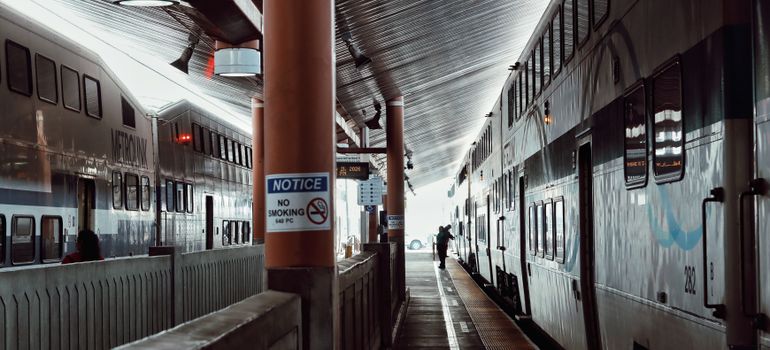
Yes. Metrolink serves Simi Valley through the Ventura County Line. The station is located at 5050 Los Angeles Avenue and offers 569 general parking spaces. It also provides 7 accessible spaces. Parking is free for Metrolink passengers, and overnight parking is allowed.
Several weekday trains leave during the morning commute. Current examples include departures at:
- 5:33 a.m.
- 6:33 a.m.
- 7:24 a.m.
- 8:41 a.m.
The 5:33 a.m. train reaches Chatsworth at 5:45 a.m. It arrives in downtown Burbank at 6:11 a.m. Then, it reaches Los Angeles Union Station at 6:30 a.m. That is a scheduled journey of 57 minutes.
Stops along the route include:
- Northridge
- Van Nuys
- Burbank Airport
- Glendale
- Union Station
Convenient? It can be. However, your total trip also includes driving to the station, parking, waiting, and reaching your office after arrival.
Is it better to drive or take Metrolink from Simi Valley?
That depends on your workplace and schedule.
Driving gives you more freedom. You can leave earlier, stay later, or handle an unexpected appointment. It also works better for offices located far from train stations.
However, driving has extra costs. These include:
- Fuel
- Maintenance
- Tires
- Insurance
- Depreciation
- Parking
Then there is traffic, which can make arrival times less predictable.
Metrolink offers a more structured option. You know the departure time, and you do not need to focus on traffic. You can read, work, or simply rest. In fact, 48% of Metrolink trips are work-related. Around 59% of riders cross county lines, and 73% own cars but still choose rail.
A valid Metrolink ticket also includes transfers to most Metro buses and trains. That can make Union Station useful for reaching other parts of Los Angeles. Still, every transfer adds time.
Which Simi Valley areas work best for commuters?
The best location depends on how you plan to travel.
Drivers often look for easy access to State Route 118. Homes near Yosemite Avenue, Kuehner Drive, or Tapo Canyon Road may reduce local travel time. Eastern Simi Valley can also provide quicker access toward Chatsworth and the Los Angeles County line.
Central neighborhoods offer access to Los Angeles Avenue, shopping, schools, and local services. Western neighborhoods may work well for people travelling toward Moorpark or other parts of Ventura County. However, they can add time to an eastbound Los Angeles commute.
Train users may prefer areas with a straightforward route to the Metrolink station. Yet distance alone does not tell the whole story. Cross-town traffic can make a short trip feel much longer.
What else should you consider? Noise, parking, schools, stores, and daily errands. A home near the freeway may save time, but it may also bring more road noise. People relocating within the city can also compare movers Simi Valley CA based when planning access, timing, and neighborhood logistics.

What public transport connects Simi Valley with Los Angeles?
Simi Valley Transit operates routes 10, 20, and 30. These routes serve local destinations and connect with regional services.
Route 10 is especially useful for commuters. It reaches Chatsworth, where riders can connect with LA Metro buses. That creates a car-free path into Los Angeles County. However, many journeys require at least one transfer.
The city’s fixed-route buses generally run Monday through Saturday. Published service hours are 5:30 a.m. to 8:00 p.m. Simi Valley also provides ADA paratransit and Dial-A-Ride service. Eligible riders can use service within 0.75 miles of fixed routes.
Metrolink adds another layer of flexibility. A valid ticket includes transfers to most Metro buses and rail lines. Metro’s regular one-way fare is $1.75. Its regular fare caps are $5 per day and $18 per week.
Can you commute without a car? Sometimes. It works best when your home, station, and office all connect efficiently. For shorter household relocations within the metro area, local movers Los Angeles relies on may also help coordinate timing around work and transit schedules.
How much does living in Simi Valley and commuting to LA cost?
The total cost depends on your transport choice and work schedule.
Drivers should start with weekly mileage. Then, they should add fuel, maintenance, tires, depreciation, insurance, and workplace parking. A 5-day commute creates 10 long trips each week. Those costs add up quickly.
Train riders should compare one-way fares with monthly passes. Some may also need bus fares, rideshares, or another connection after reaching Los Angeles. Monthly Metrolink pass holders may also receive Rail 2 Rail benefits on selected Amtrak Pacific Surfliner trains.
Metro transfers can reduce some costs. A valid Metrolink ticket includes most Metro connections. Without that ticket, Metro charges $1.75 per regular ride, with daily and weekly caps.
Housing also affects the calculation. Simi Valley’s median gross rent was $2,579. Median monthly owner costs with a mortgage reached $3,195.
So, is commuting cheaper than living closer to work? Maybe. The answer depends on the full housing and transportation budget.

How can commuters reduce travel time and stress?
Small changes can make a noticeable difference.
Flexible working hours may help you avoid the busiest traffic periods. An earlier start can reduce eastbound delays. A later schedule may also work, depending on your employer.
Hybrid work offers another advantage. Even 1 remote day removes 2 long journeys each week. That can reduce fuel costs, fares, and time away from home.
Train users should match office hours with return schedules. Current weekday departures from Union Station include 4:30, 5:30, and 6:30 p.m. Those trains reach Simi Valley at about 5:32, 6:32, and 7:32 p.m.
Carpooling and vanpooling may also lower costs. Still, everyone needs a dependable schedule.
Most importantly, commuters need a backup plan. Missed trains happen. Late meetings happen. Freeway closures happen too. Planning for those situations can make the entire routine more manageable.
Is moving to Simi Valley worthwhile for LA commuters?
For many people, yes. However, the best choice depends on the workplace, schedule, and total commuting costs. Jobs in Chatsworth, Northridge, Van Nuys, and Burbank may offer easier daily travel. Downtown workers can also use Metrolink service to Union Station. Western Los Angeles destinations usually require more time or transfers. Living in Simi Valley and commuting to LA works best when home and work locations align. A Father and Son Moving can help simplify the relocation process. Ready to plan your move? Contact us to discuss dates, access, and moving needs.
Frequently Asked Questions
What school district serves Simi Valley?
Most students attend schools within Simi Valley Unified School District. The district operates 28 school sites, including 18 elementary schools, 3 middle schools, and 4 high schools. School assignments depend on the home address and district boundaries.
Can families choose a different Simi Valley school?
Often, yes. Most district schools accept School of Choice applications when space remains available. Students living inside a school’s boundary receive priority. Some specialized schools and programs follow separate application deadlines or lottery rules.
Is Simi Valley suitable for families?
Simi Valley offers a suburban setting with parks, restaurants, public schools, and family-oriented neighborhoods. However, housing costs remain high. Families should compare school boundaries, daily services, commute access, and housing expenses before choosing an area.
Do you need a car to live in Simi Valley?
A car is useful for most daily trips. Local buses serve major corridors, but many homes, workplaces, stores, and recreational areas require additional travel. Households near Los Angeles Avenue, bus routes, or the Metrolink station may have more car-free options.
What natural hazards should new residents consider?
Wildfire, smoke, strong winds, and earthquakes can affect the region. Homes near open hillsides may face greater wildfire exposure. Residents should review insurance terms, evacuation routes, emergency alerts, and defensible-space responsibilities before moving.
What documents are needed for school enrollment?
Families generally need a birth certificate, proof of residency, and current immunization records. Kindergarten students may also need oral-health and health-examination forms. A lease, rental agreement, or current utility bill can usually establish residency.
D
David Probasco


Bravo. I must start by saying my husband and I have moved from Denver to Philly, twice moved in Philly, Philly to Hollywood, Hollywood to DTLA and now back to ...
Contact Us
"*" indicates required fields
