
 800-948-3232
How to Prepare Furniture for a Professional Move
FREE Moving Quote
"*" indicates required fields
Preparing furniture for a professional move helps protect your items and speeds up the process. Start by cleaning each piece, removing loose parts, and taking apart larger items like beds or tables. Use proper materials such as moving blankets, stretch wrap, and corner protectors to avoid damage.
Preparing early sets the tone for a successful relocation, especially when you need to prepare furniture for a professional move with no surprises. Start by walking through your home, room by room. Write down every large item that needs transport. Sofas, beds, dining tables, and desks need special attention. Measure doorways, stairwells, and elevators so nothing causes delays. This step helps movers Los Angeles arrive with the right tools and crew size. Next, decide which items need extra care, such as antiques or glass tables. Take photos of valuable furniture so you remember its condition. Then create a simple layout plan for your new place. This plan saves time during unloading. Finally, set a realistic timeline. Spread tasks across several days instead of rushing. With a clear plan, the entire move feels controlled and predictable, not chaotic or overwhelming.
Sort, Declutter, And Decide What Should Be Moved
Before packing begins, take time to decide what truly deserves space on the truck. Start with storage rooms, garages, and spare bedrooms. These areas often hide unused furniture. Ask direct questions. Do you use this item weekly? Does it fit your new space? Will it cost more to move than replace? Removing unnecessary pieces reduces cost and effort. It also helps furniture movers Los Angeles focus on items that matter. Donate clean furniture that still has value. Sell pieces online if time allows. Some people choose to gift items to family members. Keep only what supports daily life or emotional value. This step also reduces packing materials and labor time. As a result, movers handle fewer heavy items. The move becomes faster and safer. Decluttering before packing always leads to better results and fewer regrets later.

Clean And Dry Furniture To Prevent Damage During Transport
Clean furniture moves better and stays protected during transit. Dust and grit can scratch surfaces once wrapped.
- Start with wood pieces. Use a mild cleaner and a soft cloth. Avoid soaking the surface. For upholstered furniture, vacuum seams and cushions carefully.
- Leather furniture needs a gentle wipe and full drying time. Never wrap damp items. Moisture leads to odor and material damage, especially if items pass through storage Van Nuys locations during a move.
- After cleaning, let everything air dry completely. Open windows if possible. Use fans to speed up drying. While cleaning, check for loose joints or weak legs.
- Tighten screws and fix small issues early. This step supports the goal to prepare furniture for a professional move without unexpected damage. Clean and dry items arrive in better condition and require less adjustment later.
Disassemble Large Furniture The Right Way
Large furniture often needs partial disassembly to move safely. Beds, tables, desks, and shelving units usually travel better in sections. Start with the manufacturer’s instructions if available. If not, take photos before removing parts. These photos help during reassembly. Remove legs from tables and sofas when possible. Detach headboards and bed frames. Keep hardware organized from the start. Place screws, bolts, and brackets in labeled plastic bags. Then place those bags inside sturdy moving boxes Los Angeles CA so nothing goes missing. Use painter’s tape to secure loose parts to the main item when possible. Avoid taping directly on finished surfaces. This process reduces weight and prevents breakage. Movers lift smaller sections more safely. Disassembly also protects walls and door frames during loading and unloading.

Protect Surfaces With Smart Wrapping And Padding
Once furniture stands clean and disassembled, protection becomes the priority. Use thick moving blankets for wood and glass pieces. Wrap each item fully. Secure blankets with stretch wrap, not tape. Stretch wrap holds padding in place without residue. Protect corners with cardboard or foam guards. Glass tables need special care. Remove glass panels and wrap them separately. Label them clearly. Upholstered furniture benefits from plastic wrap to block dirt and moisture. This step helps you prepare furniture for a professional move with fewer risks. Avoid thin household sheets. They tear easily and slide off. Always wrap drawers shut instead of removing them. This method keeps the structure intact. Proper wrapping reduces scratches, dents, and fabric damage. Movers work faster when items feel secure and stable during handling.
Prepare Furniture For Smooth Loading And Unloading
Good preparation continues on moving day. Clear pathways inside your home first. Remove rugs, wall art, and low obstacles. Measure hallways and door frames again. This prevents last-minute issues. Place furniture near exits when possible. This setup improves flow and reduces lifting time. Mark fragile items clearly with labels or tags. Communicate special handling needs directly to the crew leader. Group similar items together so unloading feels organized. Think about placement in the new home. Movers appreciate clear direction. They place items correctly the first time. This step saves energy later. Smooth loading protects floors and walls. It also shortens the workday. When furniture flows out and in without confusion, the entire move feels calmer and more efficient.
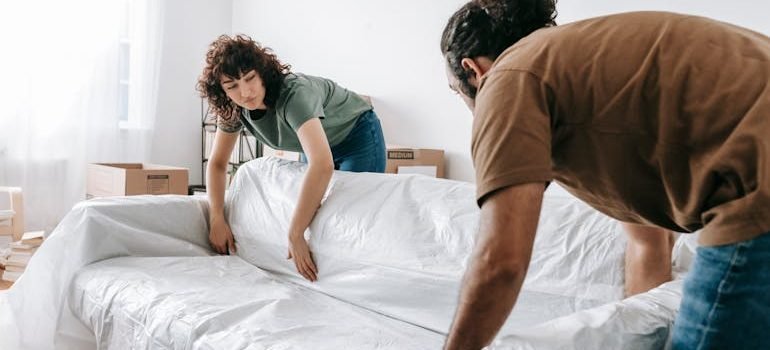
Final Checks To Prepare Furniture for a Professional Move
Before the truck arrives, take one last walk-through. Check every room, closet, and corner. Confirm all furniture stands are wrapped, disassembled, and ready. Keep tools, hardware bags, and documents in one place. Review your inventory list. Make sure nothing gets overlooked. This final review helps prepare furniture for a professional move that stays on schedule. Stay available during loading to answer questions. Once the truck leaves, carry important items with you. After unloading, inspect the furniture before signing the paperwork. Report concerns right away. Reassemble furniture using your photos and labeled hardware. Place felt pads under legs to protect floors. With strong preparation and clear steps, your furniture arrives safely, and your new space feels ready to live in from day one.
Frequently Asked Questions
Should you disassemble furniture before movers arrive?
Yes, when possible. Taking apart beds, tables, and large items saves time. It also reduces the risk of damage during transport.
What materials work best to protect furniture?
Use moving blankets, bubble wrapping, and stretch wrap. These protect surfaces from scratches and dirt. Corner protectors help prevent dents.
Do you need to clean furniture before moving?
Yes. Dust and dirt can scratch surfaces during the move. Clean furniture also keeps your new space in better condition.
How should you handle small parts and hardware?
Place screws and small parts in labeled bags. Tape them to the furniture or keep them in one box. This makes reassembly much easier.
D
David Probasco


Bravo. I must start by saying my husband and I have moved from Denver to Philly, twice moved in Philly, Philly to Hollywood, Hollywood to DTLA and now back to ...
Contact Us
"*" indicates required fields
