
 800-948-3232
How to Move Fine Art Safely: A Complete Guide for Homeowners & Collectors
FREE Moving Quote
"*" indicates required fields
Moving expensive or sentimental pieces causes stress for many homeowners. You want every frame, canvas, or sculpture to arrive without scratches or cracks. That is why learning how to move fine art safely matters so much. In the first stage, you should focus on the room conditions, access points, and the help you get from a trusted moving company Los Angeles. You also want to think about weight, fragility, and the type of artwork. A canvas reacts differently from a glass piece. A sculpture needs padding in different spots. These details affect every step you take. Many homeowners rush this part and end up with damage they could have avoided. Instead, walk through your home and note corners, tight doors, and risky stairs. This helps you plan a clear and simple path on the day of the move. With this information, you work smarter and protect each item with confidence.
Preparing Your Artwork Before You Start Packing
Artwork cannot be packed the same way as plates or books. Each piece has its own structure and weak points. Some items fade in sunlight. Others react to humidity. Before you begin any packing, clean the surfaces with soft cloths and keep the room cool. Document the condition of each piece with your phone. These pictures act as proof in case something shifts during transport. Now you can measure each frame and canvas. Write down sizes so you pick the right boxes and padding. This planning phase supports how to move fine art safely in the long run. Use gloves when touching surfaces to avoid smudges. Set each piece on a flat table with clean padding underneath. Place tags on the back with the room name so unpacking becomes easier later. These small habits save time and prevent mistakes. They also give you better control before the heavy work begins.
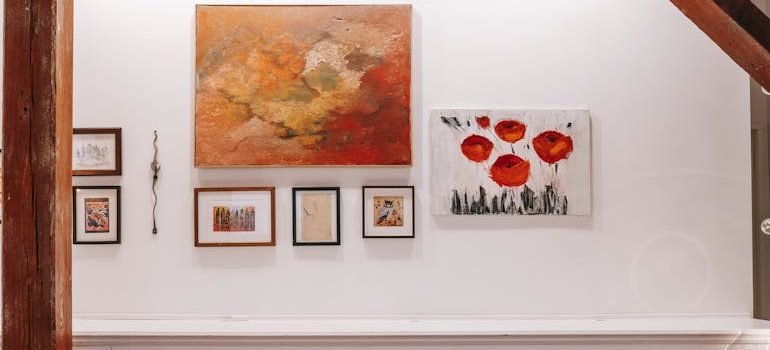
Packing Materials That Keep Art Protected
Using the right materials reduces almost every risk. Bubble wrap works well for canvases.
- Glass pieces need corner guards and foam sheets. Sculptures need custom padding. Try not to reuse old boxes because they usually have weak spots. New boxes stay stronger during lift and loading.
- You can also use acid-free paper to protect colors and surfaces. Many homeowners forget that some materials can stain or damage fragile art. This is why you should store everything in a clean space before you start.
- If the job feels overwhelming, you can hire packing services Los Angeles to support you. This gives you extra safety and keeps each piece stable during the entire trip.
- Always lay out materials before you pack so nothing gets rushed. Organized packing leads to fewer mistakes and calmer moving days. It also protects your investment by reducing shock and vibration inside each box.
Best Packing Techniques for Frames, Canvases, and Sculptures
Each type of art needs a different approach. Framed pieces must be wrapped with bubble wrapping, taped carefully, and placed upright in picture boxes. Canvases need padding across the corners and a snug box that keeps them from sliding. Sculptures need layers of foam on every side. Secure each fragile part with extra support. This method teaches you how to move fine art safely while keeping the process simple. Avoid stacking boxes because weight can cause dents. Use “Fragile” labels on all sides. Keep heavier pieces on the bottom of the truck so nothing pushes down on them. If your art includes glass, add masking tape in an “X” shape, so cracks stay contained during bumps. These steps keep your collection safe even when you handle several pieces at once. Calm, steady work gives you better results and reduces the need for repairs later.
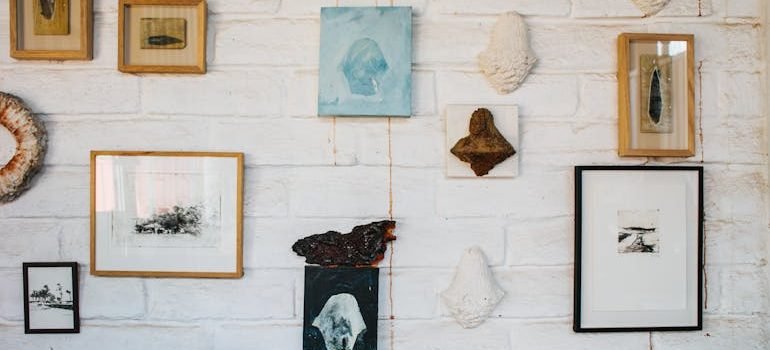
Transporting Art the Right Way: Handling, Loading, and Climate Control
Transport can be the riskiest part of your move. Temperature changes affect paint, especially in old or delicate pieces. Try to keep the truck cool and dry, and avoid loading artwork next to sharp items or metal tools. Make a section only for art, so nothing shifts into it. During the move, check straps and padding often. When you hire art movers Los Angeles, they already know these methods and bring special crates or blankets. Always load framed pieces upright. Lay sculptures flat with full foam support. Avoid leaving the truck in direct sunlight for long periods. If you travel far, take breaks to make sure the items stay stable. This stage proves how planning can prevent small issues from turning into real problems. A clean, organized layout makes the drive safer.
Long-Distance Moves: More Steps for Safety and Stability
A long-distance relocation adds new challenges. Roads shake the truck, weather changes fast, and storage stops may happen along the way. This is where cross country movers Los Angeles can help because they understand these risks. For long trips, double-layer your padding and use climate-controlled trucks if possible. Many homeowners use wooden crates for rare or high-value pieces. These crates stop vibration and keep items secure during long hours of driving. Stacking remains a bad idea, even for short breaks. Separate each box with foam sheets so nothing rubs against your artwork. Transport staff should follow your labeling system for faster unloading. These habits support how to move fine art safely when the distance is longer than usual. Good planning turns long moves into predictable steps instead of stressful surprises.
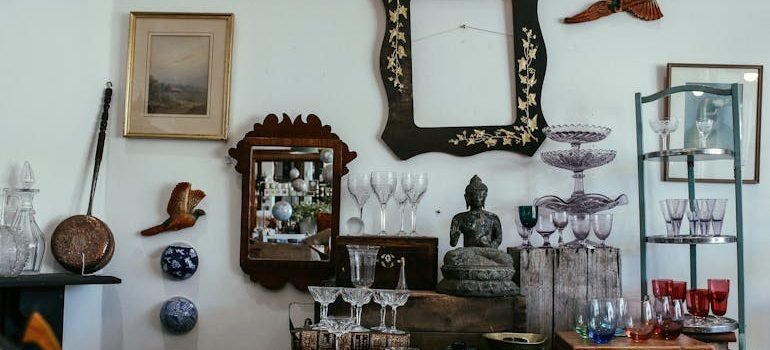
Move Fine Art Safely – Unpacking and Setting Up Your Art in the New Space
When you arrive, do not rush to unpack. Place all boxes in a clean, open room. Then start with the most fragile pieces. Remove tape slowly so it does not pull the surface. Check each piece against your earlier photos. If all looks good, you can lift the art into its new place. Avoid hanging anything in damp rooms or near heaters. You want to protect the colors and structure from early damage. This final stage brings you back to the same idea: you must know how to move fine art safely to protect your investment. That is why slow and steady steps matter. If something feels too heavy or awkward, ask for help. Your goal is to set up everything in a way that keeps each piece safe and ready to enjoy again.
D
David Probasco


Bravo. I must start by saying my husband and I have moved from Denver to Philly, twice moved in Philly, Philly to Hollywood, Hollywood to DTLA and now back to ...
Contact Us
"*" indicates required fields
