
 800-948-3232
Common Storage Mistakes After Moving
FREE Moving Quote
"*" indicates required fields
Right after a move, people feel tired and rushed, so storage turns into a quick decision. That moment leads to common storage mistakes after moving that feel small at first but grow over time. Many people unload everything into a unit without a plan. They assume they will organize it later. That rarely happens. For example, boxes end up stacked wall to wall, with no walking path. Holiday items sit in front of the tools you need next week. People working with movers Los Angeles often focus only on unloading speed, not layout. However, storage works best when you think ahead. You should decide which items you need soon, which ones stay long-term, and which ones you should donate. Without this step, you waste time every time you visit the unit. Even worse, people rent larger units later because they cannot access items buried in the back.
Skipping Sorting And Labeling Before Items Go Inside
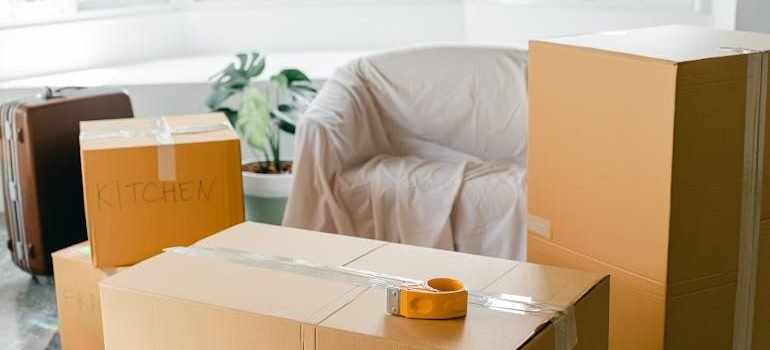
Another common issue starts before items even reach storage. People skip sorting and labeling because they want the move finished fast. That choice causes problems later. Boxes without labels force you to open everything just to find one item. For example, winter coats may sit in boxes marked “misc,” behind kitchen supplies you need weekly. When you skip sorting, heavy items also end up on top of fragile ones. That leads to broken lamps, cracked frames, and bent lids. A better approach starts at packing time. Group items by room and purpose. Label boxes on at least two sides, not just the top. Use clear words like “tools,” “tax papers,” or “seasonal décor.” This small effort saves hours later. When storage feels organized, people visit less often and feel less stress. That simple change prevents regret months after the move.
Choosing The Wrong Storage Size During Long Moves
Long relocations create extra pressure, which often leads to common storage mistakes after moving during unit selection.
- People moving far assume they need a large unit “just in case.” Others rent a small unit to save money, then struggle to fit items safely. When working with long distance movers Los Angeles, delays often happen.
- Furniture may arrive weeks later, or housing plans change. For example, a family moving across state lines may store items while waiting for renovations to finish. If the unit feels too tight, people stack boxes too high. That blocks airflow and causes damage.
- On the other hand, oversized units cost more every month and encourage clutter. A smart choice comes from measuring large items first. Count sofas, mattresses, dressers, and appliances. Then add space for walking paths. This balance keeps items safe and accessible.
Storing Furniture Without Proper Protection Or Layout
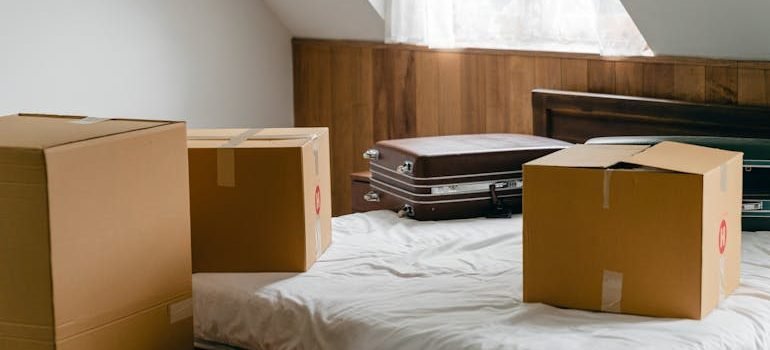
Furniture suffers the most when storage decisions go wrong. People rush and slide items inside without protection. That leads to scratches, dents, and warped surfaces. Many assume storage stays clean and dry forever. That assumption costs money. When working with furniture movers Los Angeles, crews often wrap items well, but protection stops once items enter storage. For example, wood furniture placed directly on concrete absorbs moisture. Sofas stacked on chairs bend frames over time. Mattresses stored upright without covers collect dust and odors. A better setup uses blankets, stretch wrap, and pallets. Place heavy items along walls and lighter items toward the center. Leave space between pieces to allow airflow. Avoid stacking items that were never designed to carry weight. Furniture lasts longer when you treat storage like a long-term space, not a temporary pile.
Ignoring Climate And Access Needs Inside The Unit
Not all storage items need the same environment. Ignoring this fact leads to common storage mistakes after moving that surprise people later. Items like photos, electronics, and paper records react badly to heat and humidity. For example, family albums can warp, and electronics can corrode when stored without climate control. Access also matters more than people expect. Many place items they need monthly behind heavy furniture. That turns every visit into a full rearrangement. Think about how often you need each item. Place frequently used boxes near the door. Store long-term items in the back. Use shelving to lift boxes off the floor. These steps keep items safe and visits short. Storage should work like an organized closet, not a maze you dread opening. Planning access and climate together prevents avoidable damage and stress.
Choosing Storage Based Only On Price Or Location
Price feels important during a move, so people choose storage quickly. That choice often ignores details that matter daily. Some units look affordable but lack lighting, wide access lanes, or secure entry points. Others limit access hours, which causes scheduling issues. For example, someone using storage Van Nuys might choose a nearby unit but later realize the narrow drive makes unloading difficult. Poor lighting also makes it harder to spot damage or pests. Security features matter too. Gated access, cameras, and clean facilities protect your belongings. Saving a small amount each month does not help if items suffer damage. Always visit the location first. Check access hours, door width, and cleanliness. A slightly higher price often delivers less stress and better protection long term.

Treating Storage Like A Set-And-Forget Solution
Many people place items into storage and never return until months later. That habit leads to common storage mistakes after moving that feel overwhelming to fix. Over time, needs change. Items you thought you needed may become unnecessary. New items may replace stored ones. For example, people keep old furniture even after buying new pieces. Boxes collapse, labels fade, and access paths disappear. A simple review every few months helps. Visit the unit, remove unused items, and adjust the layout. This habit saves money and keeps storage manageable. It also prevents paying for space you no longer need. Storage works best when you treat it as an active part of your home system. A little maintenance keeps everything easy to find and protects your belongings long after the move ends.
D
David Probasco


Bravo. I must start by saying my husband and I have moved from Denver to Philly, twice moved in Philly, Philly to Hollywood, Hollywood to DTLA and now back to ...
Contact Us
"*" indicates required fields
