
 800-948-3232
A guide to the costs of living in Glendale
FREE Moving Quote
"*" indicates required fields
Glendale combines convenient regional access with housing costs above many household budgets. Rent, transportation, utilities, food, insurance, and childcare can quickly raise monthly spending. Comparing total expenses by neighborhood and maintaining an emergency reserve can make relocation more manageable.
Glendale offers convenient access to Los Angeles, Burbank, Pasadena, and the San Fernando Valley. Yet only 35.2% of local homes were owner-occupied during 2020–2024, which shows how important rental costs are here. Housing will usually take the largest share of your budget. Transportation, utilities, food, insurance, and childcare also affect monthly spending. The costs of living in Glendale depend on your neighborhood, household size, and daily commute. An experienced moving company Los Angeles residents use can also make relocation expenses easier to estimate before moving day.
How do the costs of living in Glendale affect housing?
Housing will probably become your biggest monthly cost. Glendale’s median gross rent reached $2,182 during 2020–2024. That figure includes rent and some utility costs. Current asking rents may be higher, especially in newer buildings. Downtown Glendale has many larger apartment properties near Brand Boulevard and Central Avenue. These buildings may include gyms, pools, package rooms, or secured parking. Useful? Yes. Free? Usually not.
Older apartments may cost less, although they often provide fewer shared services. Some landlords include water or waste collection. Others charge tenants separately. Experienced residential movers can handle relocations into apartments, condominiums, and detached homes across the area.
Only 35.2% of Glendale homes were owner-occupied during the same Census period. Rental housing therefore serves a large share of residents. When comparing the living expenses in Glendale California, include every monthly charge. Parking, pet rent, storage, and utilities can change the true cost considerably. Only when the budget and moving date are settled, experienced movers in Glendale CA can manage the practical details of the relocation.
Which Glendale neighborhoods suit different budgets?
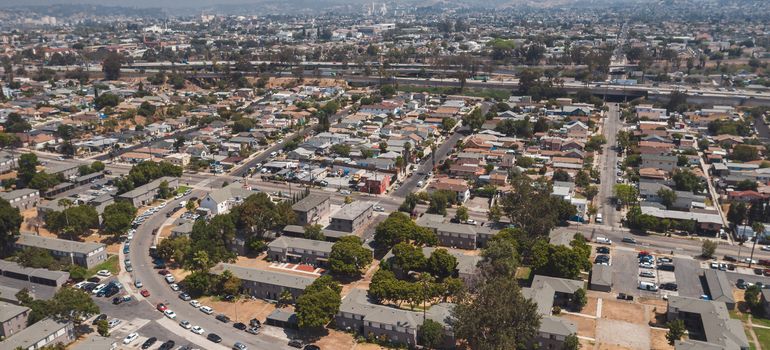
Downtown Glendale suits people who want apartments near shops, restaurants, and offices. Glendale Galleria and The Americana at Brand are both nearby. However, many central buildings charge extra for parking. Glendale also appears among the most desirable places to live near Los Angeles because of its regional access and varied housing.
Several other areas offer different housing styles:
| Neighborhood | Typical housing character | Median listing price | Median monthly rent | Best suited to |
|---|---|---|---|---|
| Rossmoyne | Historic homes, larger lots, and some apartments | About $1,605,000 | About $3,066 | Buyers seeking historic homes near Downtown Glendale |
| Adams Hill | Smaller homes, apartments, and hillside streets | About $1,376,500 | About $2,395 | Renters and buyers seeking relatively lower housing costs |
| Verdugo Woodlands | Detached homes near Glendale Community College | About $1,495,000 | About $3,100 | Households seeking larger homes and a residential setting |
| Montrose-Verdugo City | Homes and smaller apartment buildings near Honolulu Avenue | About $939,000 | About $3,500 | Residents seeking a walkable commercial district |
| Northwest Glendale | Grandview, Riverside Rancho, and mainly detached homes | Varies by subarea | Varies by property | Burbank commuters and households seeking quieter surroundings |
Homes near Interstate 5 can offer easier access. However, nearby traffic noise may be noticeable. Hillside homes can also bring extra costs. Drainage work, landscaping, and insurance may require more planning. Compare the property itself, not only the neighborhood name. The average living expenses in Glendale CA can change noticeably between these areas.
How much does buying a home in Glendale cost?
Buying in Glendale requires a large budget, especially when the average living expenses in Glendale CA are included. The median owner-occupied home value reached $1,102,300 during 2020–2024. Homeowners with mortgages reported median monthly costs of $3,756. These costs included mortgages, taxes, insurance, utilities, and other housing charges. Even owners without mortgages reported median monthly costs of $984.
The purchase price is only the starting point. Buyers may also pay for inspections and appraisals. Escrow, title services, and lender fees add further costs. Condominiums may include monthly homeowners association charges. Older Glendale homes can need major repairs. Roofing, plumbing, electrical systems, and foundations may require attention. Hillside properties may need additional maintenance. When repairs delay occupancy, temporary storage during LA moves can protect furniture until the property is ready.
California’s basic property-tax levy is 1% of assessed value. Local assessments can raise the final bill. Voter-approved debt may increase it further.
What should renters pay before moving into an apartment?
Moving into a rental requires more than the first month’s payment. Several upfront costs may apply:
- Rent, a security deposit, an application fee, and renter’s insurance.
- Parking, storage, pet charges, or building access fees.
- Utility deposits, internet equipment, and installation charges.
- Boxes, packing materials, transportation, and temporary storage.
Lease dates do not always align. Some renters pay overlapping rent for several days or weeks. Building rules can also affect scheduling, which makes knowing how to handle apartment moves particularly useful in larger Glendale properties.
Moving into an empty home creates further costs. Furniture may be needed first. Curtains and cookware often come next. Cleaning products and daily supplies also increase the starting budget. A renter choosing a $2,500 apartment should keep money available after move-in. This reserve can cover living expenses in Glendale California during the first few weeks.
How much do utilities cost in Glendale?
Glendale Water and Power provides electricity and water within the city. Electricity pricing changes by season and usage level. The standard residential customer charge is $0.75 per day. That equals about $22.50 during a 30-day month. From July through October, electricity rates range from $0.3071 to $0.4547 per kilowatt-hour. From November through June, rates range from $0.2575 to $0.3935. What usually raises the bill most? Summer air conditioning.
Water appears in hundred-cubic-foot units. Each unit equals 748 gallons. Apartment residents may have individual meters. Some buildings use submeters instead. Others rely on shared service. That billing setup can affect the living expenses in Glendale California.
Glendale also offers a $20 monthly incentive for eligible off-peak electric vehicle charging.
How do the costs of living in Glendale affect transportation?
Your commute can change your total budget quickly. Glendale connects with Interstate 5, State Route 134, and State Route 2. Drivers need to plan for several recurring expenses. Fuel and insurance are usually the largest. Registration and maintenance also matter. Vehicle payments can raise the monthly total further. Los Angeles-area households spent an average of $14,497 on transportation during 2023–2024. Private vehicles represented 90.4% of that amount. The average surveyed household owned 1.9 vehicles.
A commute to Downtown Los Angeles may cover a shorter distance. However, traffic can still make travel times unpredictable. Jobs in Santa Monica or West Los Angeles usually create longer journeys. Orange County commutes can cost even more.
Parking matters too. Some apartment buildings charge separately. Offices and commercial areas may also require paid parking. These same conditions can affect moving time, so experienced local movers Los Angeles residents use must plan around traffic, access, and parking restrictions. A short distance does not always create a short commute.

Can public transportation reduce monthly expenses?
For some residents, public transportation can reduce fuel and parking costs. It may also delay the need for another vehicle. Glendale connects with Metro, Metrolink, Amtrak, and Glendale Beeline. The Larry Zarian Transportation Center is located at 400 West Cerritos Avenue. Metrolink’s Antelope Valley and Ventura County lines stop there. These routes connect Glendale with Los Angeles Union Station and Burbank. Riders can also travel toward Ventura County or Lancaster.
Metro’s regular fare is $1.75 per trip. The daily cap is $5. The 7-day cap is $18. Transfers are free for 2 hours after tapping. Children under 6 ride free with a paying adult. Eligible low-income riders may receive 20 free monthly rides through the LIFE program.
Public transport can reduce the average living expenses in Glendale CA when your home and job align. One transfer may feel manageable. Three transfers? Probably not.
How much should residents budget for food?
Food represented 13.1% of Los Angeles-area household spending during 2023–2024. Average annual food spending reached about $11,858. Households spent $6,546 on food prepared at home. They spent another $5,312 on meals outside the home. Restaurants therefore represented 44.8% of total food spending.
Glendale has large supermarkets and smaller neighborhood markets. It also has many bakeries and specialist grocery stores. Common shopping areas include Central Avenue, Glendale Avenue, and North Pacific Avenue. Dining costs can rise quickly. Taxes increase the bill. Tips add more. Delivery and service fees can make a simple meal surprisingly expensive. A $25 meal may cost much more at checkout.
Households can control the living expenses in Glendale California by cooking more often. Weekly meal planning also helps. Remember that grocery receipts include more than food. Toiletries and cleaning products may appear there. Paper goods and other daily supplies can also increase the total.

What taxes affect daily life in Glendale?
Glendale’s combined sales and use tax rate is 10.50%. A taxable $100 purchase therefore costs $110.50 after tax. California residents may also pay state income tax. The amount depends on income and filing status. Deductions and credits also affect the final figure. Employees often see these taxes removed through payroll withholding. Self-employed residents may need estimated tax payments during the year.
Homeowners also pay Los Angeles County property taxes. The basic levy starts at 1% of assessed value. Local assessments can increase the total. Approved public debt may add further charges. Vehicle owners pay registration-related fees through the California Department of Motor Vehicles. Fuel prices also include state and federal taxes.
The practical lesson is simple. Calculate the average living expenses in Glendale CA using take-home pay, not gross salary.
How much do healthcare and insurance cost?
Healthcare represented 6.5% of Los Angeles-area household spending during 2023–2024. That equals about $5,889 annually. Actual living expenses in Glendale California vary widely. Employer plans may still include payroll deductions. Deductibles and copayments can add more. Prescription charges may create another regular expense.
Glendale has several major healthcare facilities. Adventist Health Glendale operates on East Chevy Chase Drive. USC Verdugo Hills Hospital serves northern Glendale and nearby La Cañada Flintridge. Many clinics also operate near Brand Boulevard and Glendale Avenue. However, your insurance network determines which providers receive the best coverage.
Other insurance costs need separate attention:
- Dental and vision coverage may require additional premiums.
- Drivers need auto insurance.
- Renters need personal-property protection.
- Homeowners need broader property and liability coverage.
Standard homeowner policies usually exclude earthquake damage. Separate earthquake insurance may require another premium and a high deductible.

What are the childcare costs of living in Glendale?
Childcare can become one of a family’s largest expenses. Infant care usually costs more because it requires lower staff-to-child ratios. Preschool and after-school care add further costs. School-break programs may also be needed. Summer care can become a major seasonal expense. Registration fees can raise the starting cost. Deposits may be required. Meals and supplies may also carry separate charges. Some providers add late pickup fees.
Glendale Unified School District serves about 25,000 students. It covers preschool through 12th grade and offers several specialized programs. Major high schools include Glendale High School, Hoover High School, and Crescenta Valley High School. Clark Magnet High School is located at 4747 New York Avenue.
School placement usually depends on the home address. That can affect driving and walking time. Bus use may also change. After-school arrangements can depend on the same location. A cheaper home may create higher travel and childcare costs.
What does everyday entertainment cost in Glendale?
Glendale offers several lower-cost recreation options. Brand Park covers 30.4 acres near West Mountain Street. It includes trails, playgrounds, picnic areas, and athletic fields. Brand Library and Art Center sits within the historic Leslie Brand estate. It includes galleries, studios, and a recital hall.
Glendale Central Library covers about 93,000 square feet at 222 East Harvard Street. The wider system includes locations in Montrose, Casa Verdugo, Grandview, and Pacific Park. Commercial entertainment costs more. Glendale Galleria and The Americana at Brand contain cinemas, restaurants, and retail stores.
Dining can raise monthly spending quickly. Parking may add another charge. Fitness memberships and children’s classes also need room in the budget. However, libraries and parks offer useful alternatives. Public programs can reduce entertainment spending without limiting local activities.

What income do you need to live comfortably?
Glendale’s median household income reached $88,393 during 2020–2024. That equals about $7,366 per month before taxes. The city’s $2,182 median gross rent would use almost 30% of that gross income. A $2,800 apartment would use about 38%. That calculation still excludes food and transport. Utilities and insurance come next. Childcare, healthcare, and debt can raise the monthly total considerably.
Los Angeles-area households reported average income before taxes of $134,423. Their average annual spending reached $90,594. The average household included 2.9 people and 1.6 earners. Those figures provide context for the average living expenses in Glendale CA, not a perfect target. A single renter will have different needs than a family with 2 children.
Comfort means more than paying monthly bills. It should also include savings and emergency money. Annual costs and unexpected repairs matter too.
How can you create a realistic moving budget for the costs of living in Glendale?
Start with the complete housing cost when estimating living expenses in Glendale California. Include rent or mortgage payments. Add parking and utility costs. Insurance and building fees should appear separately. Then calculate transportation. A regular Metro rider may spend no more than $18 during 7 days. A driver may spend hundreds each month.
Your main monthly categories should include:
- Housing, parking, utilities, insurance, and building fees.
- Transportation costs for transit or driving.
- Food, healthcare, childcare, and debt payments.
- Personal expenses and emergency savings.
Regional averages provide a useful comparison. Los Angeles-area households spent about $33,126 on housing. Transportation reached $14,497. Food averaged $11,858. Healthcare added another $5,889. Together, those categories reached about $65,370 annually.
Finally, include moving services and packing costs. People arriving from another state may face added travel and setup expenses, making careful planning for moving to Los Angeles from out of state especially important. Deposits may require a large upfront payment. Temporary storage can add more. Overlapping rent may also become necessary. Keep an emergency reserve after arrival.
How can residents reduce monthly expenses?
Location can reduce the average living expenses in Glendale CA in several ways. Living near Brand Boulevard may lower driving needs. Housing near the Glendale Transportation Center may support rail commuting. Metro’s $5 daily cap helps frequent riders. The $18 7-day cap can reduce regular commuting costs.
Glendale Water and Power also provides assistance and rebate programs. The Glendale Care discount supports qualifying lower-income households. Eligibility generally follows 200% of federal poverty guidelines. Eligible electric vehicle owners may receive a $20 monthly off-peak charging incentive.
Libraries provide internet access and public programs. They also offer books, media, and community resources. Brand Park provides free trails, playgrounds, and picnic areas. Food creates another savings opportunity. Los Angeles-area households spend 44.8% of their food budgets outside the home. Reducing restaurant meals can therefore make a noticeable difference.
Is living in Glendale right for your budget?
Glendale offers convenient access to Los Angeles, Burbank, Pasadena, and nearby employment centers. However, housing requires serious planning. Median home values exceed $1.1 million, while median gross rent exceeds $2,100. Transportation, childcare, insurance, utilities, and healthcare can add further pressure. The costs of living in Glendale extend well beyond housing alone. A detailed budget helps you compare neighborhoods using total monthly costs. When you are ready to move, Father & Son Moving & Storage can help. Contact the team to discuss your Glendale relocation.
Frequently Asked Questions
Is Glendale, California, considered a safe place to live?
Glendale residents generally report feeling safe. In the city’s 2025 community survey, 92% felt safe in their neighborhood at night. Another 83% felt safe in Downtown Glendale after dark.
Is Glendale a walkable city?
Glendale has an average Walk Score of 71, which means many errands are possible on foot. City Center, Citrus Grove, and Mariposa rank among its most walkable neighborhoods.
What is the weather usually like in Glendale?
Glendale generally has warm, dry summers and mild winters. Reported averages include a 77°F high, a 54°F low, about 21 inches of annual rainfall, and virtually no snowfall.
Do Glendale residents encounter coyotes or other wildlife?
Yes. Coyotes and other wildlife sometimes enter hillside neighborhoods, parks, and residential streets. The city recommends securing garbage, feeding pets indoors, and keeping smaller pets inside between dusk and dawn.
Do most Glendale households have broadband internet?
Yes. Census data shows that 92.3% of Glendale households had a broadband internet subscription during 2020–2024. Additionally, 95.6% had a computer.
Is Glendale a multilingual community?
Very much so. During 2020–2024, 66.2% of residents aged 5 or older spoke a language other than English at home. This makes multilingual services and businesses common throughout the city.
D
David Probasco


Bravo. I must start by saying my husband and I have moved from Denver to Philly, twice moved in Philly, Philly to Hollywood, Hollywood to DTLA and now back to ...
Contact Us
"*" indicates required fields
