
 800-948-3232
How Commercial Moves Differ From Residential Moves
FREE Moving Quote
"*" indicates required fields
Commercial moves require more planning, coordination, and speed than residential moves. Businesses must protect equipment, avoid downtime, and keep operations running. Unlike home moves, commercial relocations often involve large teams, strict timelines, and specialized packing for office furniture, electronics, and files.
Commercial moves differ from residential moves because the purpose behind them is not the same. A home move focuses on comfort and personal timing. A business move focuses on speed, planning, and continuity. When companies relocate, every hour matters. Teams need clear plans, labeled assets, and exact timelines. In cities like Los Angeles, a reliable moving company Los Angeles businesses trust often helps manage these details from day one. This is where the phrase commercial moves differ from residential moves becomes very real. A family can adjust plans during a move. A business cannot pause operations for long. Office furniture, files, and equipment must land in the right place immediately. Because of this, planning starts earlier and runs deeper. The process includes walkthroughs, inventories, and coordination with building managers. These steps reduce confusion and protect productivity.
Scale And Complexity Change The Entire Process
Commercial relocations involve more than boxes and furniture. Offices include workstations, conference rooms, storage areas, and shared equipment. Many businesses also move specialized tools or inventory. That scale explains why commercial movers Los Angeles companies recommend structured move plans. Teams often break the move into phases. One group packs files. Another handles IT equipment. Supervisors track progress and solve issues fast. Residential moves rarely need this level of structure. A household usually packs room by room and unloads at a steady pace. Commercial spaces demand precision. A single misplaced server or desk can delay an entire department. Because of that risk, teams use color-coded labels, floor maps, and checklists. These tools help everyone stay aligned. While a home move feels personal and emotional, a business move feels operational and goal-driven. The difference in scale alone changes how crews prepare, communicate, and execute each step.

Scheduling And Downtime Drive Commercial Decisions
Time matters more in commercial relocations.
- Businesses plan moves around work schedules, not personal convenience. Many rely on Los Angeles moving services that offer evening or weekend work to avoid disruptions.
- Offices often move after hours, so employees return to a ready workspace. This approach protects revenue and client trust. That urgency explains again why commercial moves differ from residential moves.
- A household can accept delays and adjust plans. A business cannot risk lost productivity. For example, a law firm may move overnight so attorneys work without interruption.
- A retail store may relocate inventory in stages to keep doors open. These strategies require clear timelines and strong coordination. Residential moves usually happen during the day and allow flexibility.
- If unloading runs late, the impact stays small. In commercial settings, every delay carries a cost. Planning around downtime becomes one of the most important differences between the two move types.
Specialized Crews And Equipment Matter More
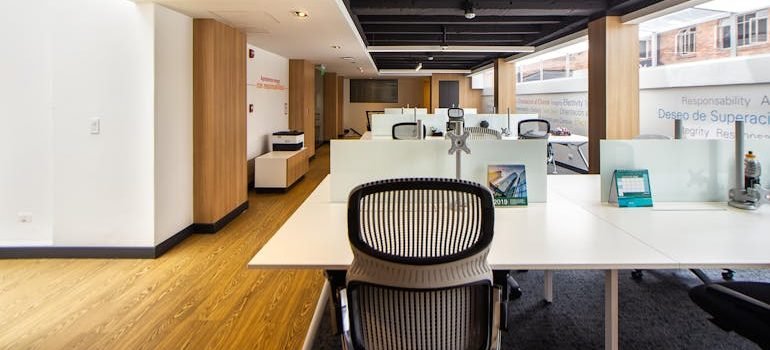
Commercial moves demand trained crews who understand complex spaces. Teams handle modular desks, filing systems, heavy printers, and sensitive electronics. Many businesses prefer local movers Los Angeles firms with experience in office layouts and building rules. Crews often use dollies, lift gates, and protective materials designed for commercial items. Residential crews usually focus on furniture, boxes, and appliances. The skill sets overlap, but the expectations differ. In offices, crews must follow floor plans and labeling systems. Each item must reach the correct department. Mistakes slow operations and frustrate staff. Crews also coordinate with security teams and property managers. These steps keep buildings safe and organized. Homes rarely require this level of coordination. Because of that, commercial moves feel more technical and structured. The right crew and equipment make the difference between a smooth transition and a costly delay.
Rules, Permits, And Building Coordination
Commercial moves often involve rules that homes do not face. Office buildings require advance notice, elevator bookings, and proof of insurance. Some locations limit move times or loading dock access. These requirements reinforce how commercial moves differ from residential moves in daily practice. Businesses must coordinate with property managers weeks ahead. They also follow safety policies that protect shared spaces. Residential moves usually avoid these steps. A homeowner rarely needs permits to move furniture. In contrast, a downtown office move may require approvals from multiple parties. For example, high-rise buildings often restrict large moves to certain hours. Failing to plan can cause delays and fines. Because of this, commercial planning includes paperwork and communication, not just packing. These steps feel tedious, but they protect the move timeline. Clear coordination ensures crews arrive prepared and buildings stay functional throughout the process.
Inventory Control And Accountability
Commercial moves depend on accountability. Businesses track assets carefully to avoid losses. Teams create inventories for computers, files, and furniture. Labels match floor plans so items land in the correct spaces. This structure highlights again how commercial moves differ from residential moves. A family move relies on memory and simple labels. A business move relies on systems. For example, an accounting firm may label boxes by department and workstation number. That approach allows quick setup after arrival. It also reduces confusion during unpacking. Residential moves usually unfold at a slower pace. Unpacking can happen over days or weeks. Businesses need faster results. Employees expect functional desks right away. Strong inventory control supports that goal. It also helps leadership verify that all assets arrived safely. This focus on tracking and responsibility shapes the entire commercial moving process.

Commercial Moves Differ From Residential Moves
Understanding these differences helps businesses plan better relocations. Commercial moves differ from residential moves because priorities change from comfort to continuity. Companies benefit from early planning, clear communication, and experienced crews. Every decision supports uptime and organization. Residential moves still matter, but they follow different rules. Homeowners value flexibility and personal comfort. Businesses value efficiency and clarity. When companies recognize this gap, they avoid common mistakes. They plan timelines carefully and assign responsibilities early. That preparation leads to smoother transitions and faster setups. The right strategy protects employees and clients alike. It also reduces stress during a major change. By respecting the unique demands of commercial relocations, organizations move with confidence and purpose.
Frequently Asked Questions
What is the main difference between commercial and residential moves?
Commercial moves focus on business continuity. The goal is to reduce downtime and keep operations running. Residential moves focus more on personal belongings and flexible timelines.
Do commercial moves take longer than residential moves?
Not always. Commercial moves often happen faster because teams work on tight schedules. Many moves take place overnight or on weekends to avoid business disruption.
Why do commercial moves need specialized equipment?
Offices include heavy desks, servers, and sensitive electronics. Movers use tools and packing methods that protect these items and speed up the process.
Are commercial moves more expensive than residential moves?
In most cases, yes. They require larger crews, detailed planning, and specialized handling. However, the cost often reflects the need to reduce downtime and protect business assets.
D
David Probasco


Bravo. I must start by saying my husband and I have moved from Denver to Philly, twice moved in Philly, Philly to Hollywood, Hollywood to DTLA and now back to ...
Contact Us
"*" indicates required fields
